Architectural Styles Explained: From Classic to Contemporary
At PSK Architect, we believe that great architecture isn’t just about structures—it’s about storytelling. The style of a building tells a story about the era it was built in, the culture it represents, and the people who live or work within it. Whether you’re planning a new build, a home renovation, or simply seeking architectural inspiration, understanding the most popular architectural styles can help you make informed design choices that suit your vision and lifestyle.
Traditional Architecture: Time-Honoured Elegance
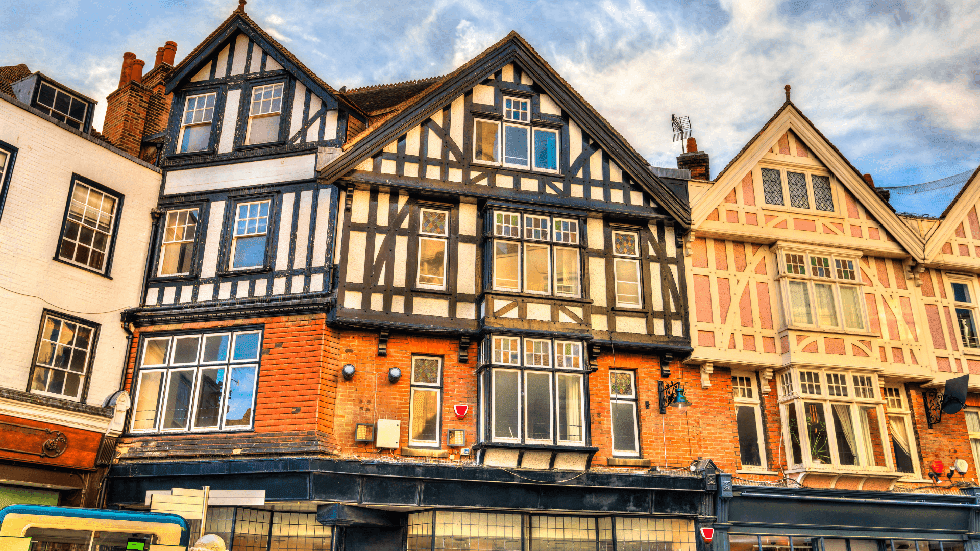
Traditional architecture is rooted in historical design and craftsmanship. It draws heavily from British Georgian, Victorian, and Edwardian styles, often featuring brick or stone façades, sash windows, pitched roofs, and symmetrical layouts. These buildings tend to have ornate detailing, deep cornices, and carefully considered proportions.
Clients drawn to traditional styles often seek a sense of comfort and timelessness. These homes or buildings blend seamlessly into heritage areas and rural landscapes, making them ideal for countryside homes or extensions that respect existing period features.
Modern Architecture: Clean Lines and Function
Modern architecture emerged in the early 20th century as a reaction against ornate historicism. It focuses on simplicity, open-plan living, and the honest use of materials like glass, steel, and concrete. Flat roofs, large windows, and minimalist detailing define this style. Modern design often favours function over form, which makes it ideal for contemporary lifestyles.
At PSK Architect, we find modern architecture works well for clients wanting energy efficiency, sustainable design, and seamless indoor-outdoor living. With its focus on natural light and flexibility, modern building design is increasingly popular for new builds and home renovations.
Contemporary Architecture: Evolving Design Trends
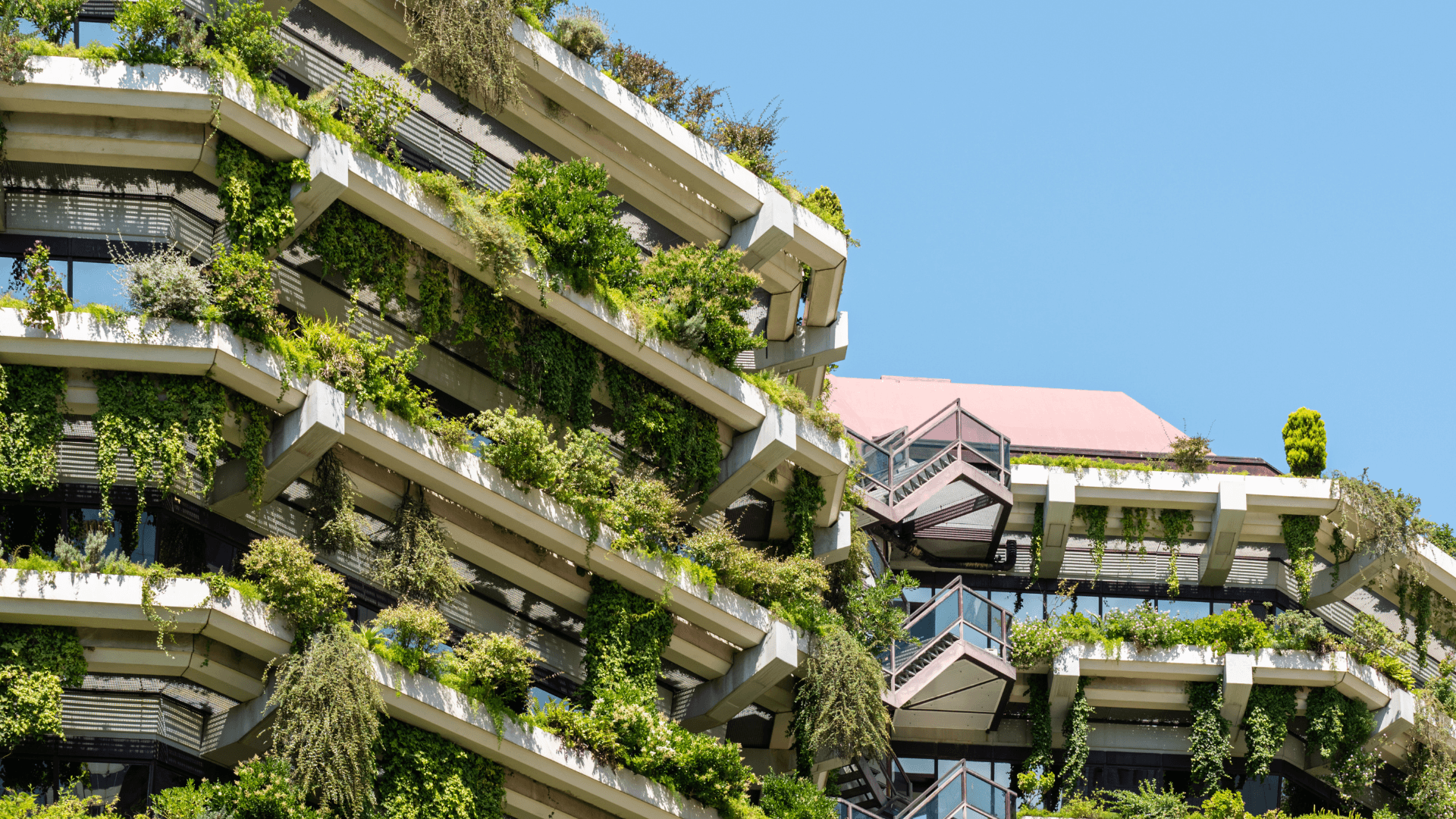
While modern and contemporary are often used interchangeably, contemporary architecture refers specifically to current design trends. It borrows elements from multiple styles and embraces innovation. Think of smart home integration, green roofs, mixed materials, asymmetrical shapes, and a strong connection with the environment.
We work closely with clients to bring their unique ideas to life, often blending contemporary features with traditional buildings—whether through striking extensions, loft conversions, or glazed walkways.
Scandinavian & Minimalist Styles
Originating from Nordic countries, Scandinavian architecture celebrates simplicity, natural light, and functionality. It incorporates pale colour palettes, natural materials like timber, and clever space-saving solutions. This architectural style is perfect for smaller plots or homes that need to feel calm, airy, and uncluttered.
Minimalist architecture shares a similar ethos. It reduces design to its essentials: clean lines, neutral tones, and purposeful spaces. If you’re after a home that feels calm and modern with an emphasis on quality over quantity, minimalist design may be for you.
Industrial Style: Raw and Rugged Charm
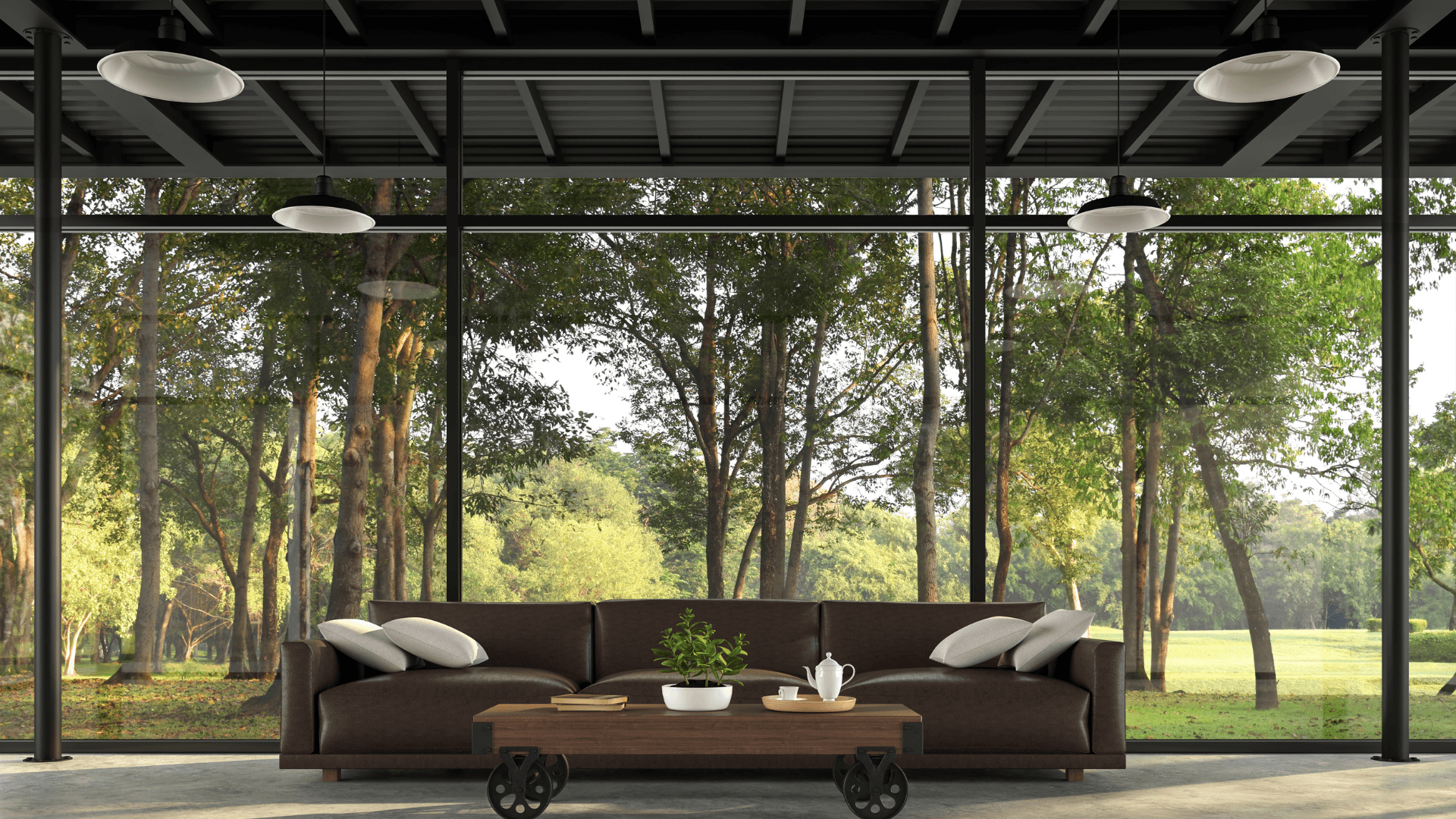
Inspired by converted warehouses and factory buildings, industrial architecture exposes the raw elements of a building—steel beams, brickwork, polished concrete floors, and large open spaces. It’s a style that lends itself to urban developments or creative commercial spaces and has become increasingly popular in residential design too.
Blending Styles for Personalised Design
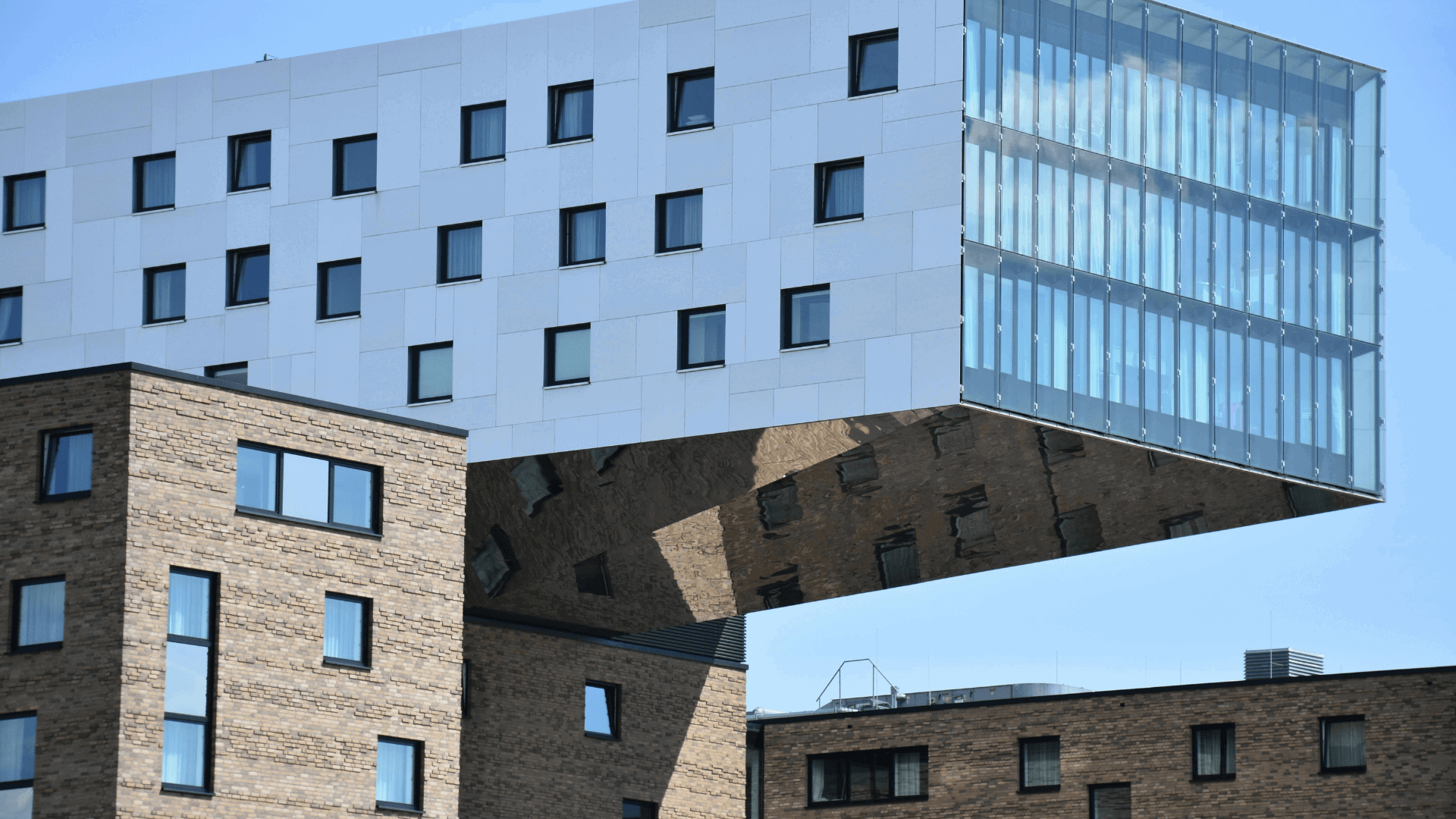
One of the most exciting parts of architectural design today is the freedom to blend styles. At PSK Architect, we regularly work on projects that combine modern extensions with traditional homes, or bring contemporary flair into listed buildings—creating spaces that reflect both character and innovation.
Finding the Right Style for You
Choosing the right architectural style isn’t just about aesthetics—it’s about how you live. Whether you dream of a light-filled modern kitchen, a traditional country home, or an eco-conscious contemporary space, our team is here to guide you through the design process with creativity, care and attention to detail.